Some folks find science boring, so I’m going to tell you a story. And stories start with long ago and far away.1
But because this story is so amazing I’m going to tell it as a play. Not because it’s fiction I’m giving you - the events really happened, and the characters are real - but because a play makes it easier to enter this world that seems so removed from ordinary reality.
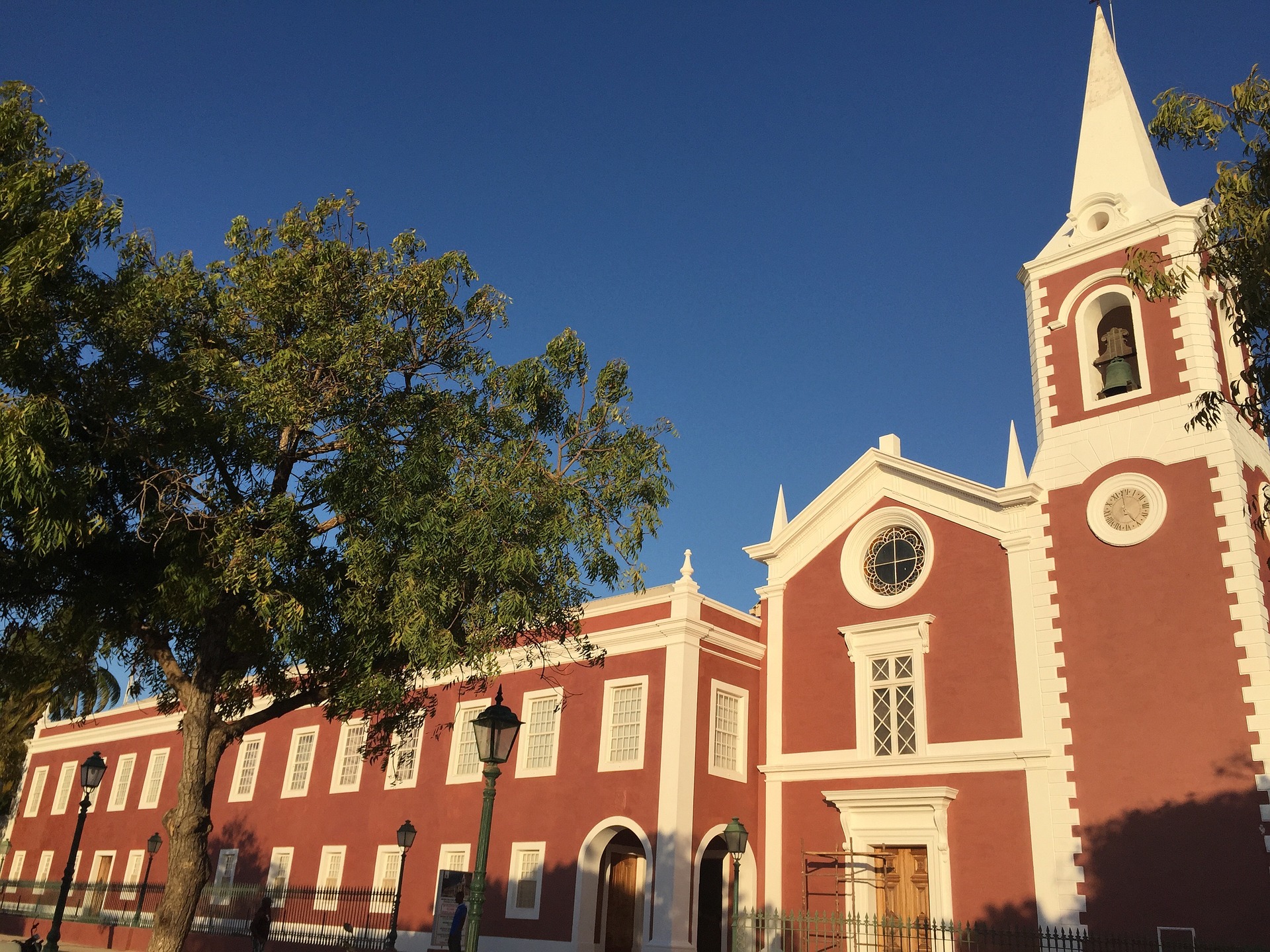
Long ago in 1969, and far away at the bottom of Africa, bottom right hand side of Africa, there was a country that was called Portuguese East Africa.
It is called Mozambique now. And on the other side, there was Portuguese West Africa.
And I was a student, and there was a town, the capital of Portuguese East Africa. Lourenço Marques.
It was fantastic.
We drove there from Durban for one or two weekends.
To do what students do. There was Laurentina cerveja, nightlife, and the Hotel Polana.
South Africa at that time had a very Calvinistic kind of government so the bars closed I think at 11 o’clock, and nothing on Sunday.
It was not like that in “LM.”
It was really the Paris of Southern Africa.
And time went by.
In 1975 Portuguese East Africa gained its independence from the Portuguese colonial powers and a socialist one party state was created. It was one of the three poorest countries on earth.
The governing party was a party called FRELIMO.
And Samora Machel was the first president.
And I didn’t know all this was happening.
I was in Durban at the time.
I was just a student of electrical engineering at the University of Natal (now UKZN)
What happened then was the Mozambican economy started to contract - key industries were nationalised, agriculture was collectivised and productivity dropped.
The world was not happy with Mozambique due to its… Well, let’s say that the Western world, including South Africa, was very unhappy with the country because of its socialist and communist orientation.
And then a civil war started in 1977 between the government and the anti-communist rebel group, RENAMO.
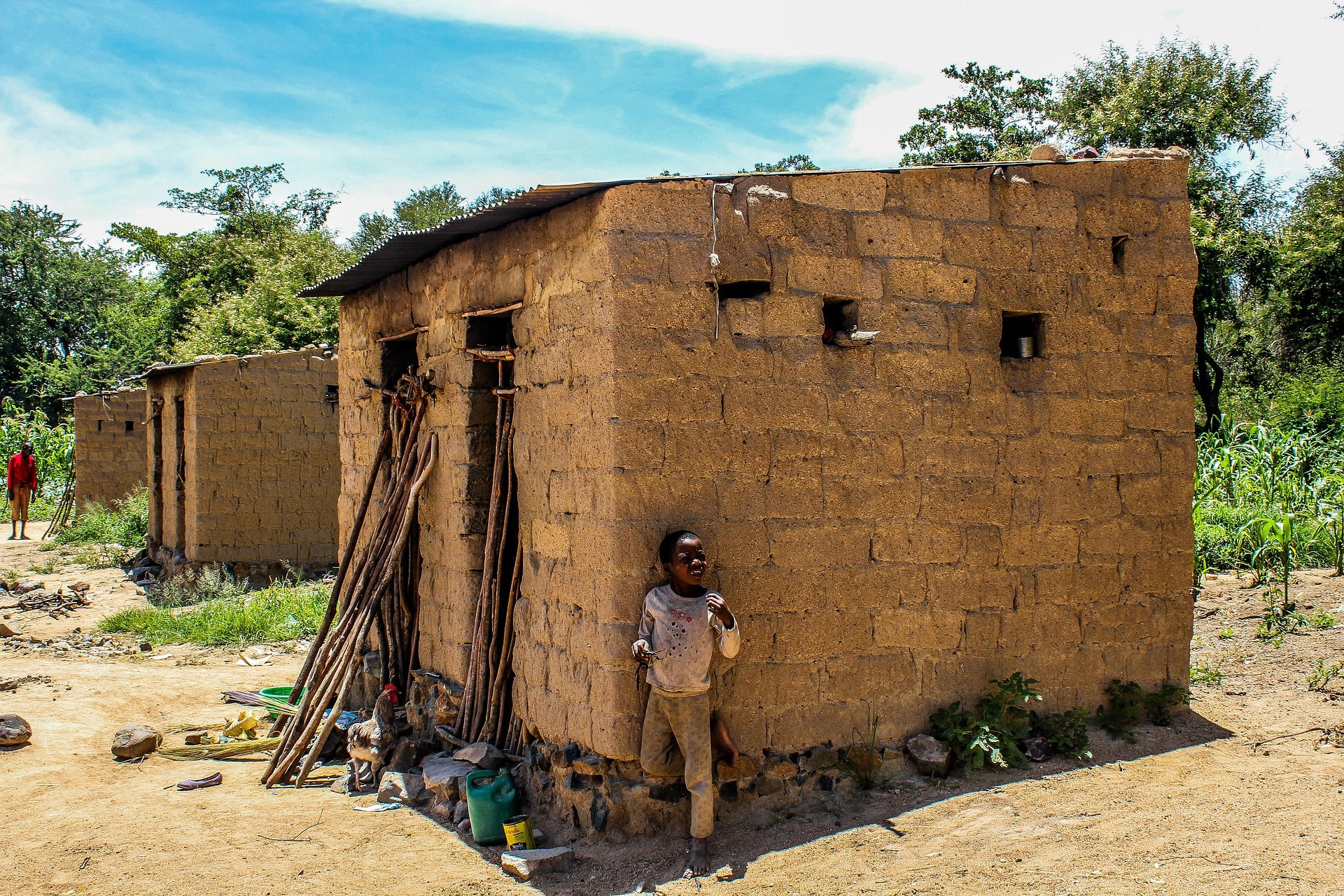
It was a devastating war. Populations were displaced, infrastructure was destroyed and the economy was disrupted. Roads, railways, schools and hospitals crashed. The quality of life deteriorated, with challenges even to get basic services like water.
The combination of civil war, economic mismanagement and socialist policies led to economic contraction and hyperinflation. This in turn led to migration out of the country,
I knew about none of this.
And then everything started to change in about 1990.
There were economic reforms, which led to more foreign investment.
The economy grew.
And it is incredible because the turnaround was staggering.
It’s a period often referred to as the Mozambican miracle or the Mozambican renaissance.
GDP grew, agriculture, mining and tourism did better.
The country started to sort out its infrastructure, its healthcare and education.
Not that there were no challenges, but something amazing happened in about 1990 or so.
This book is about what happened, why it happened, and what we can learn from this experience to turn our own lives around.
Now watch what happened.